Hoopa Valley Tribe Addresses Critical Funding and Departmental Needs at Annual BIA Meeting
Hoopa Valley Tribe Addresses Critical Funding and Departmental Needs at Annual BIA Meeting
BY: Adrian Villegas
November 16, 2026
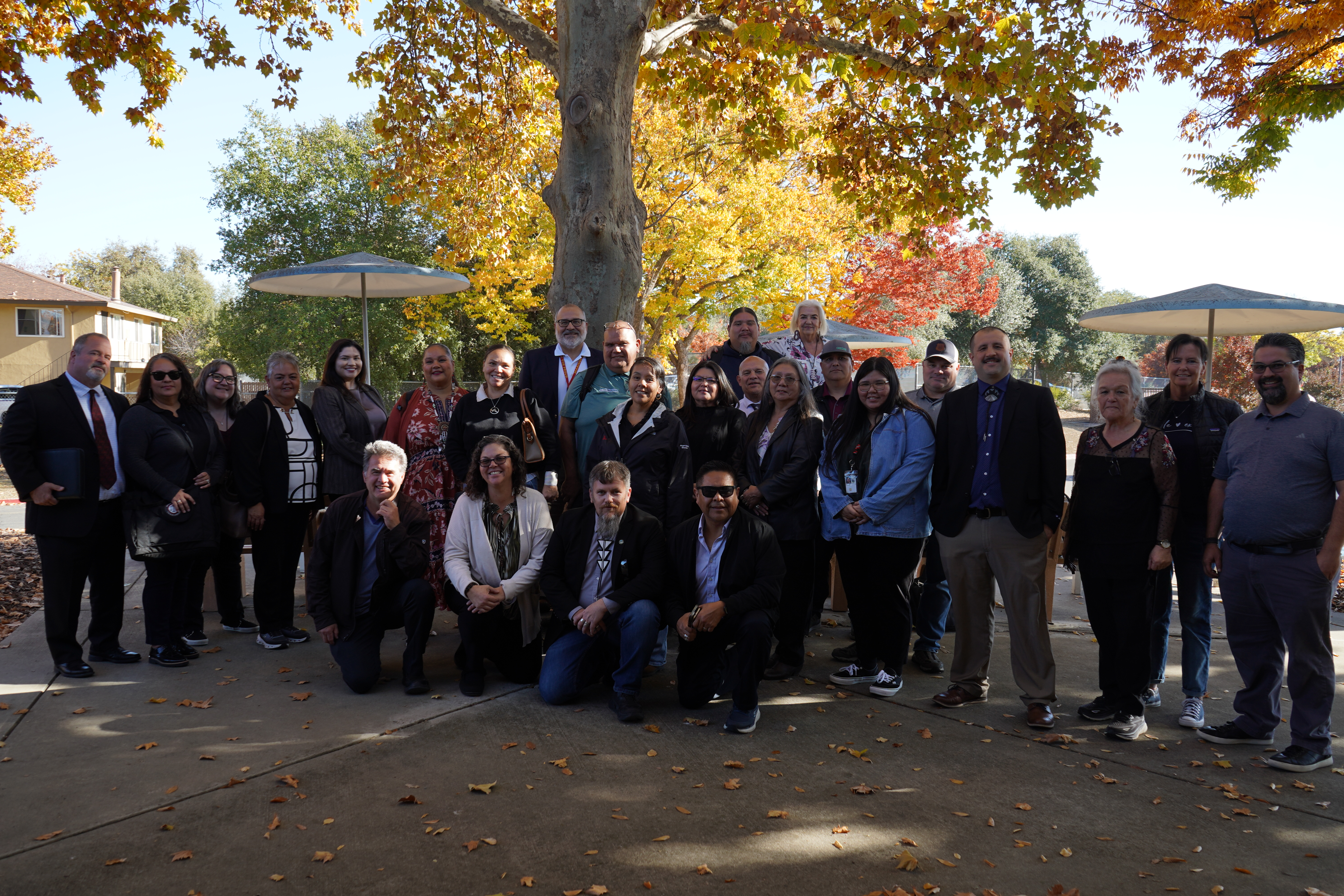
HOOPA, CA – As part of the Hoopa Valley Tribe’s ongoing effort to ensure the Trust Responsibility is being met by the Federal Government, the Hoopa Valley Tribe held its annual meeting with the Bureau of Indian Affairs (BIA) in Sacramento on November 10, 2026. In doing so the Tribe reminded the BIA that the Hoopa Valley Tribe paid a heavy price in the way of lives, land, water and other resources in order to receive the support the government promised in return. This is the trust responsibility.
The annual meeting provided an opportunity for Tribal leadership and departmental representatives to discuss concerns affecting the Hoopa Valley Reservation and advocate for increased resources to better meet the trust responsibility that the government promised to uphold.
Throughout the meeting, representatives from several Tribal departments emphasized the growing challenges associated with inflation, rising operational costs, and limited federal funding. A central concern was the need to increase base funding levels in order to provide greater financial stability and reduce the Tribe's reliance on competitive grants.
Natural Resource Management and Fisheries
The Tribe's Fisheries Department raised concerns regarding water allocation agreements and the protection of the Trinity River. Discussions included ongoing water allocation matters involving the Hoopa Valley Tribe, Yurok Tribe, and Humboldt County, emphasizing the importance of cooperation and protecting the river's resources.
Land Management representatives discussed the need to renegotiate existing agreements to secure additional funding for water management, wildlife protection, parks, and land surveying. Representatives noted that funding agreements have not kept pace with the growing costs of maintaining these essential programs.
The Forestry Department also addressed challenges involving forest management, emergency stabilization funding, and the distribution of federal forestry resources. Discussions highlighted the importance of ensuring that California tribes receive adequate support to maintain forest health, manage vegetation, and protect Tribal lands.
Education and Scholarship Funding
The Tribe's Education Department emphasized the growing demand for scholarship assistance among Tribal students pursuing higher education and vocational training.
Representatives explained that current funding levels are insufficient to support the number of students seeking financial assistance. The department advocated for increased scholarship funding to expand educational opportunities for students attending colleges, universities, and trade schools.
Additional concerns included Johnson-O'Malley (JOM) funding and the challenges associated with relying on grants to maintain educational programs.
Fire Protection and Public Safety
Hoopa Fire representatives discussed the need for long-term contract agreements, fair compensation for the use of Tribal firefighting equipment, and increased employment opportunities for local firefighters.
Concerns were also raised regarding delays in the approval of prescribed burn plans, firefighter rotation opportunities, and uncertainty surrounding federal fire funding.
Hoopa Tribal Police Chief James McCovey addressed public safety concerns, including arson, gang prevention, and the need for additional financial and operational support to strengthen law enforcement services throughout the Reservation.
Water Infrastructure and Utility Services
Representatives from the Hoopa Valley Public Utilities District (HVPUD) discussed concerns regarding the long-term sustainability of the Tribe's water resources and the financial challenges of maintaining essential utility services.
The department emphasized the need for adequate funding to support water infrastructure, compensate the Tribe for the use of utility resources during emergency operations, and ensure reliable services for the community.
Advocating for Long-Term Federal Support
A recurring concern throughout the annual BIA meeting was the impact of inflation and insufficient federal funding for the Tribe to provide essential services which the government has promised to provide.
Tribal representatives emphasized that existing funding levels have not kept pace with the increasing costs of operating programs, maintaining infrastructure, and protecting natural resources. Departments expressed the importance of establishing sustainable funding agreements that reflect the actual needs of the community.
The Hoopa Valley Tribe continues to advocate for stronger federal partnerships and increased resources to ensure that the trust responsibility that the government promised to meet, is being upheld.
The annual meeting reinforced the importance of continued communication and collaboration between the Tribe and the Bureau of Indian Affairs, particularly in addressing the strengthening Tribal self-governance for the long-term well-being of the Hupa People.
The Tribe remains committed to securing the resources necessary to provide a healthy environment, maintain essential services, and create opportunities for future generations.